
Rising Tensions Surround Armenia’s Electoral Process
Rising Tensions Surround Armenia’s Electoral Process
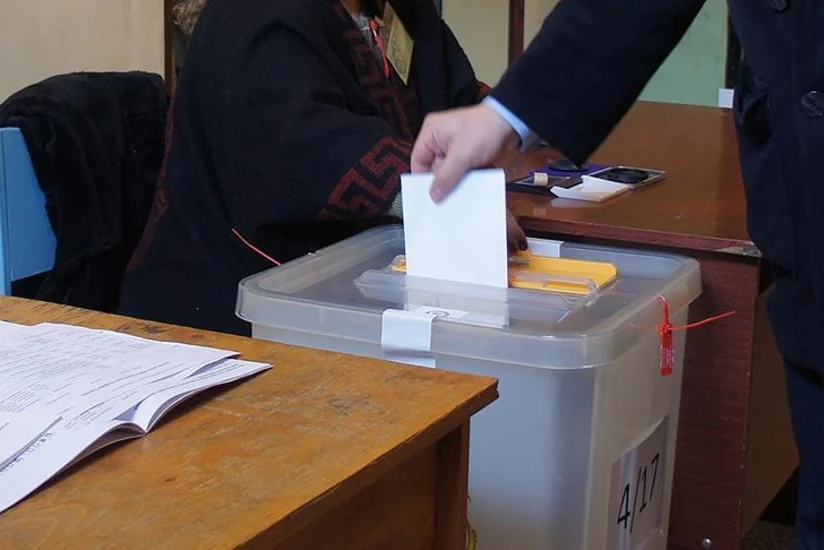
As Armenia approaches the 2026 parliamentary elections, political tensions in the country continue to escalate. One of the most discussed developments in recent days is an open letter addressed to the European Union’s High Representative for Foreign Affairs by a group of international legal experts, expressing concerns about the freedom and fairness of the upcoming elections.
Assessment by International Legal Experts
The law firm Amsterdam & Partners LLP states that there are noticeable restrictions on civil liberties in Armenia that may influence the electoral process. According to the letter, the authorities are exerting pressure on opposition figures, members of the clergy, and their supporters. Particular attention is drawn to the house arrest imposed on Samvel Karapetyan, the leader of the “Strong Armenia” party, which, according to the legal experts, undermines the possibility of ensuring equal and competitive conditions.
EU Involvement
The European Union has announced that it will deploy a Hybrid Rapid Response Team to Armenia to help ensure the security and integrity of the electoral process. At the same time, the legal experts warn that the monitoring mission must remain fully independent; otherwise, it may fail to fulfill its intended purpose.
Political Polarization
Government officials state that the upcoming elections will serve as a decision-making process regarding peace and national security. Opposition forces, in turn, accuse the government of manipulating public sentiment and restricting political competition. The existing polarization in the political landscape is further deepened by tensions between state institutions and the church, an issue also highlighted in the concerns raised by international legal experts.
Overall Assessment
The restrictions imposed on the opposition leader, the strained relationship between state and religious institutions, and the involvement of international organizations collectively create an uncertain and complex environment. These factors make the 2026 elections not only a political contest but also a test of institutional stability and public confidence in democratic processes.