
Sights in Armenia

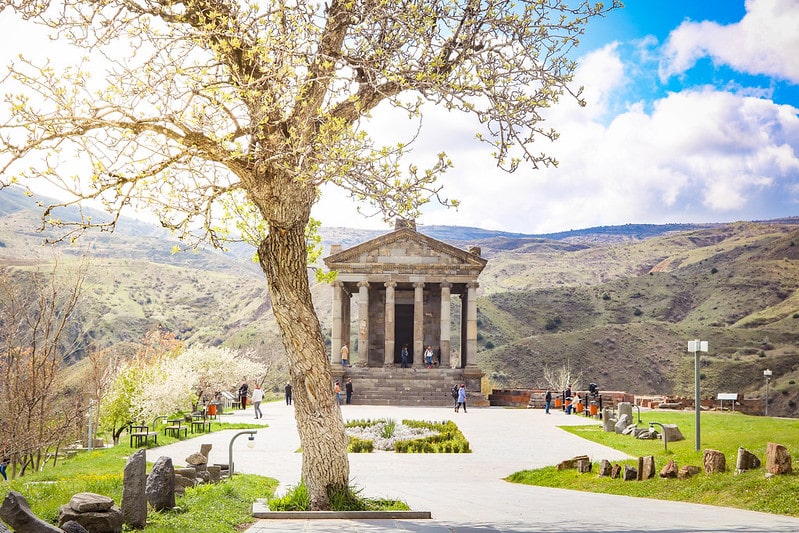
Old photograph of the Garni pagan temple Garni Temple today, above the Azat gorge

Garni Pagan Temple

📍 Marzpetuni St, Garni 2215 🗺️ Open in Maps

1st‑century temple in the Artaxiad summer residence

The temple of Garni was built in the 1st century and was dedicated to the sun god Mihr. It is the only fully preserved Hellenistic‑style pagan temple in Armenia, with Ionic columns and a high podium.

The temple was part of a royal summer residence complex with baths, reception halls and defensive walls, and below it opens the view of the Azat gorge and the “Symphony of Stones” basalt columns.

Today Garni is one of Armenia’s most famous sights, a venue for open‑air concerts, festivals and events where ancient architecture meets contemporary culture.

Lake Sevan

📍 Sevan, Gegharkunik Province 🗺️ Open in Maps

The “jewel of Armenia” – a high‑mountain lake at 1900 m

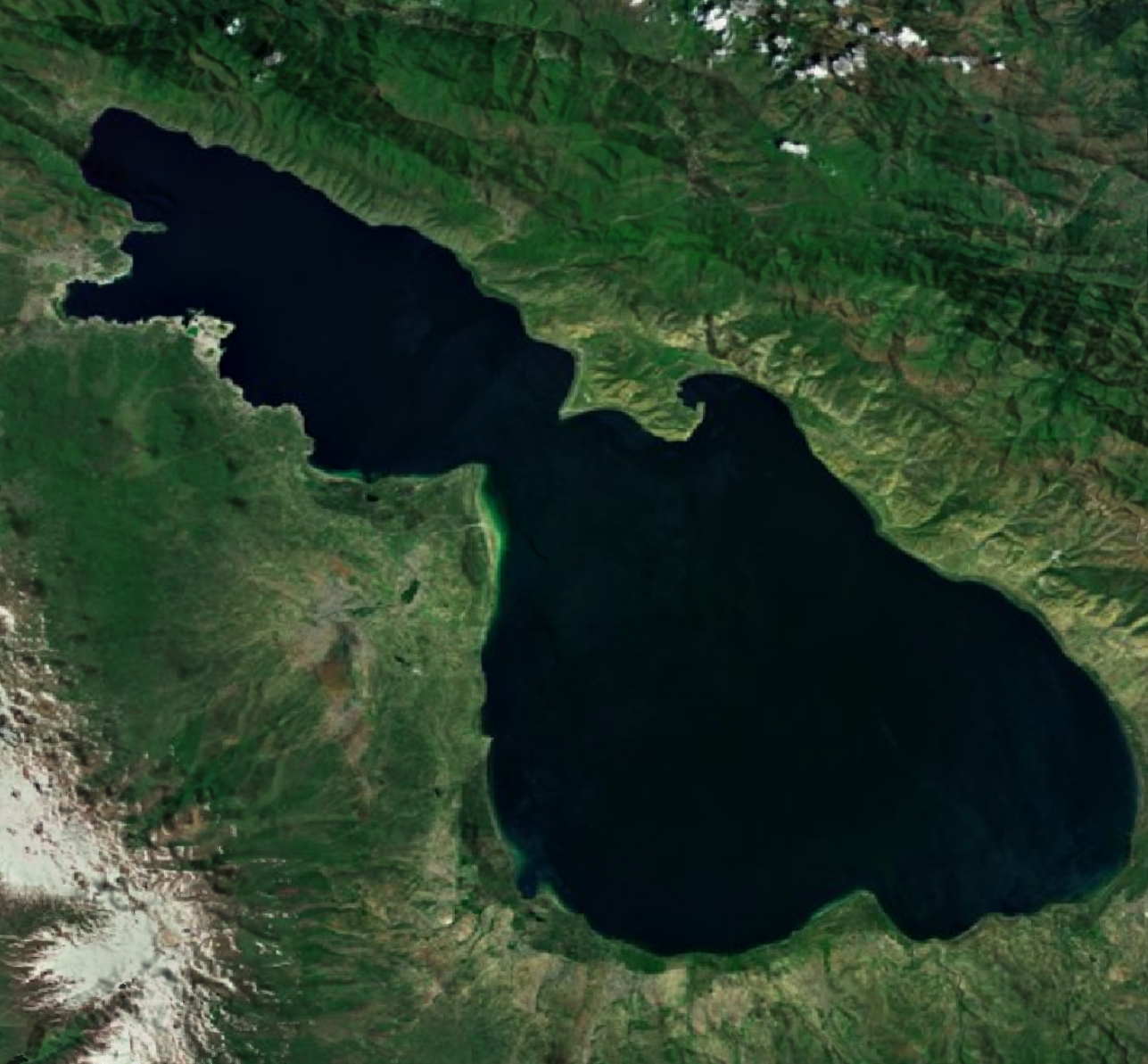
Lake Sevan is Armenia’s largest body of water and one of the biggest high‑altitude freshwater lakes in the world. It lies at about 1900 meters above sea level and is often called the “jewel of Armenia” or the country’s “blue eye”.

Lake Sevan is like Armenia’s blue eye: a huge mirror set between mountains that changes color with the time of day and the seasons – pale blue in the morning, bright and sparkling at noon, and glowing crimson at sunset.

The lake is surrounded by mountain ranges, while its shores are lined with beaches, resorts and small villages. Here you can swim, go out on a boat, relax in tiny bays with wooden huts and floating decks, and listen to the wind moving the waves while familiar mountains close the horizon on all sides. You can camp on the shore and try famous Sevan trout and other local fish dishes.

Locals like to say that Sevan “looks at people” like an eye and that the weather changes with its mood: on calm days the lake is smooth as a mirror, while during storms it seems offended and sends high waves crashing onto the shore. At night the stars feel so close to the water that it seems you could almost reach out and pick them up.

Lake Sevan panorama with surrounding mountains Lake Sevan beaches and shoreline Lake Sevan at sunset with golden sky
Parz Lake with mirror-like surface surrounded by green forest in Dilijan National Park Forest path around Parz Lake under tall pine trees Hiker on the trail above Parz Lake in Dilijan National Park

Parz Lake

📍 Dilijan, Tavush Province 🗺️ Open in Maps

A small mountain lake in the heart of Dilijan National Park

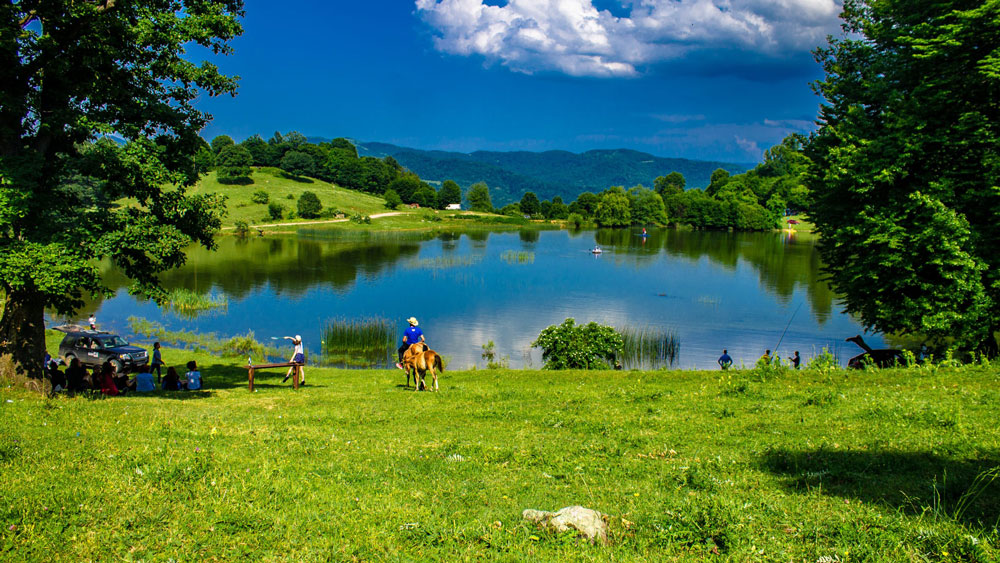
Parz Lake is a small mountain lake hidden in the forests of Dilijan National Park, at about 1,330 meters above sea level. Its calm, mirror-like surface reflects the surrounding trees and sky, which makes it one of the most photogenic spots in the area.

A gentle loop trail of roughly 2 km goes around the lake, so you can take an easy walk, stop at viewpoints and watch how the forest slowly descends all the way down to the water. The path is suitable even for non-experienced hikers, which makes Parz Lake a good option for light hiking and family-friendly walks.

On the lakeshore there are small cafés, picnic spots and pavilions, and in season you can rent a boat or pedal boat to see the forest and mountains from the water itself. Many visitors bring their own snacks or picnic, sit close to the water and simply listen to the sounds of the forest – birds, wind and the quiet splash of the lake.

In spring, the hills around Parz Lake turn bright green, while in autumn the forest becomes a mix of gold and red tones. Even in summer it usually feels cooler here than in the city, so an hour by the lake often feels like a whole day of real rest.

Hexagonal basalt columns of the Symphony of Stones in Garni Gorge, Armenia Azat River flowing through Garni Gorge beneath the basalt walls Long basalt organ wall known as the Symphony of Stones in Garni Gorge

Garni Gorge & Symphony of Stones

📍 Garni 2215 🗺️ Open in Maps

A giant natural basalt organ beneath the Garni Temple

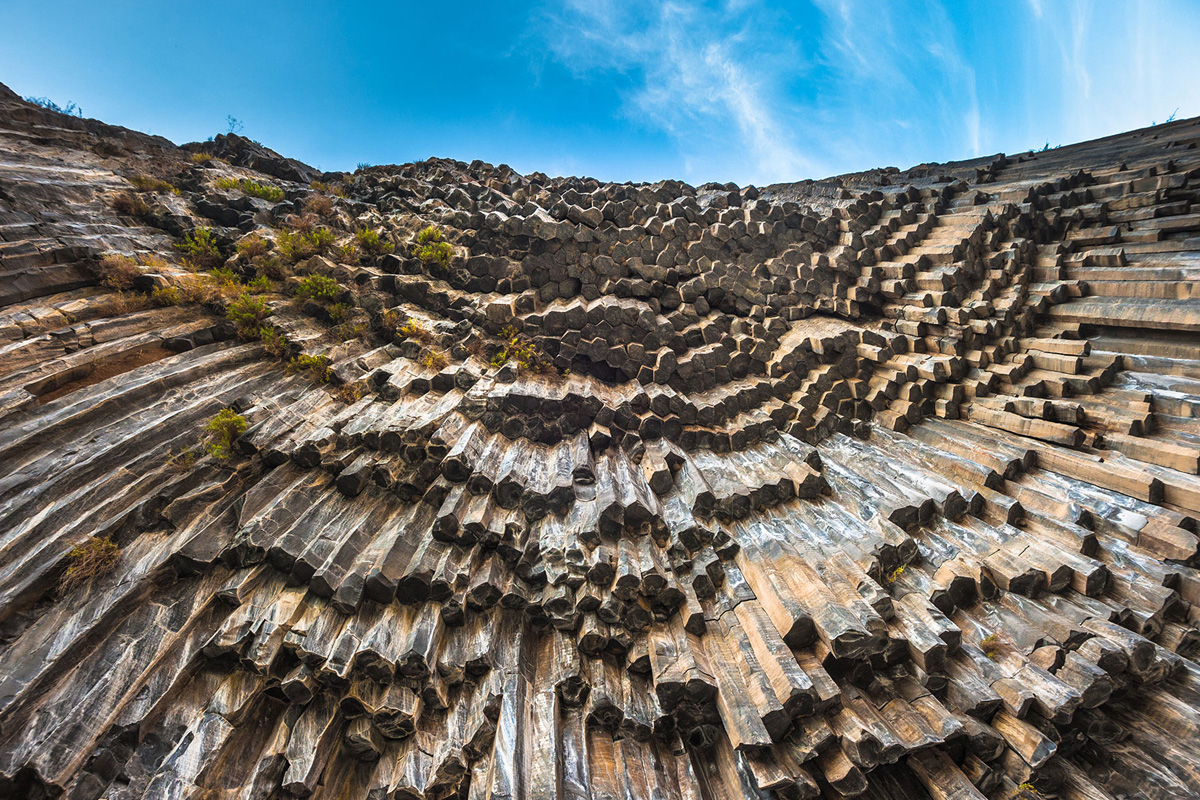
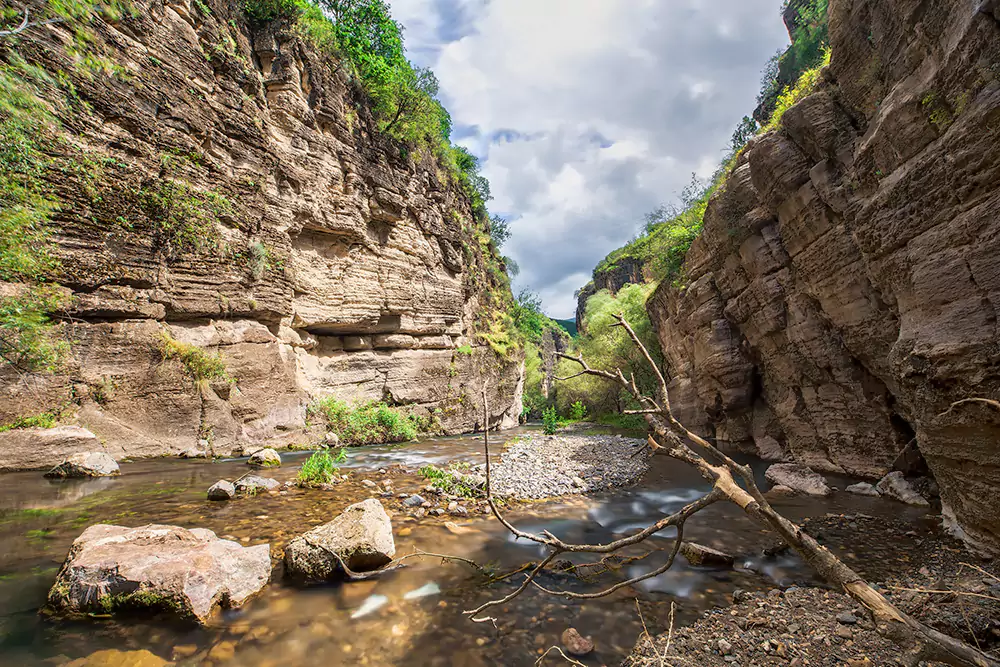
Just below the Temple of Garni, the road drops down into a canyon where one of Armenia’s most surreal landscapes is hiding: a vertical wall of perfectly shaped hexagonal and pentagonal basalt columns, hanging from the cliff like the pipes of a giant church organ [web:69][web:70][web:77]. This is the famous Symphony of Stones.

What looks almost man‑made is actually pure geology: long ago, lava flowed through this gorge and cooled so slowly that it cracked into near–perfect geometric columns [web:69][web:71][web:80]. Over thousands of years, the Azat River carved the rock away, revealing a 40–50 meter high façade of stone “pipes” that now tower above the road and river.

You can visit the gorge on the same day as the Garni Temple: either drive down the cobblestone road into the canyon or walk from the village and cross the medieval stone bridge [web:70][web:74][web:75]. On one side the basalt organ wall leans over you; on the other, the river runs between boulders—every few meters there is another angle that demands a photo.

For anyone who loves dramatic landscapes, strange rock formations and places that feel like a fantasy movie set, Garni Gorge is an easy “must‑visit” [web:69][web:78][web:75]. It is the kind of place where you come for “just a quick stop” and end up staying longer, simply standing under the columns, listening to the river and wondering how nature managed to build something this precise.

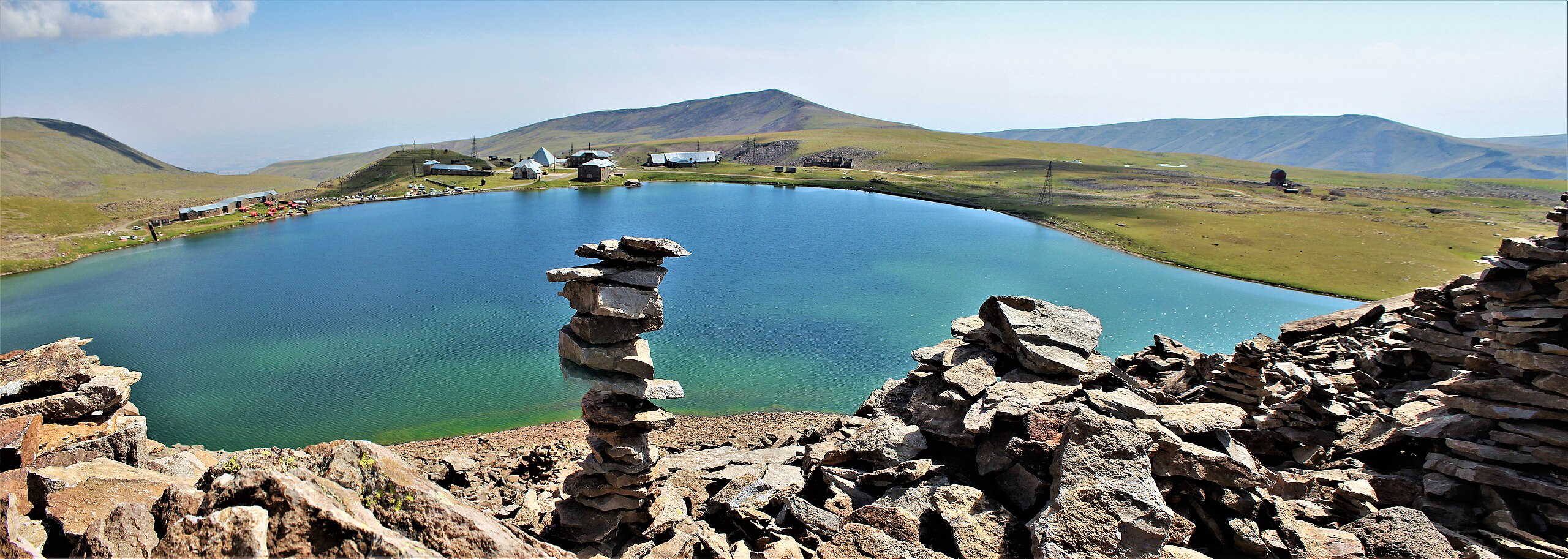
Kari Lake, a high-altitude alpine lake on the slopes of Mount Aragats Shore of Kari Lake with small buildings and views of Mount Aragats Trail starting from Kari Lake towards the summit of Mount Aragats

Kari Lake

📍 Mount Aragats, Aragatsotn Province 🗺️ Open in Maps

A 3,200‑meter alpine lake and gateway to Mount Aragats

Kari Lake is one of Armenia’s most striking high‑altitude lakes, resting on the southern slope of Mount Aragats at about 3,200 meters above sea level. When you step out of the car, it feels like you’ve arrived on a separate plateau above the world: cold, clear water, rocky slopes and huge skies in every direction.

The lake is reached by a paved but winding mountain road that climbs up from the Byurakan side all the way to the shore. In summer there are small cafés and guesthouses, while in late autumn and winter the road is often blocked by snow and the whole area turns into a white, silent landscape.

Kari Lake is also the classic starting point for hiking the southern summit of Aragats: the trail to the peak begins right by the water and quickly climbs into rough, volcanic terrain. Even if you don’t plan to reach the summit, a short walk up the path gives you increasingly wide views over the lake and the surrounding mountains.

Because of the altitude, the air is sharp and refreshing, and the lake water stays ice‑cold even in July. Some brave visitors take a quick dip, but for most people the real luxury here is simply sitting by the shore, watching the light change on the water and feeling how far everyday life has suddenly moved away.

Old Dilijan district with wooden balconies and artisan shops on Sharambeyan Street View over Dilijan town surrounded by forested hills Dilijan City Park with a small lake and tree-lined paths

Dilijan Town

📍 Dilijan, Tavush Province 🗺️ Open in Maps

Armenia’s “Little Switzerland” with old streets and forested hills

Dilijan is where people go to slow down for a while: forested hills, cool mountain air, old wooden balconies and a rhythm that feels a few beats softer than the rest of the country։ On one side you have a small town with Soviet blocks; on the other, a carefully preserved old quarter that feels like stepping back in time.

The heart of old Dilijan is Sharambeyan Street, lined with 19th‑century stone houses, carved wooden balconies, craft workshops and cozy cafés։ Here you can watch artisans working with wood, clay or textiles, buy handmade souvenirs, or simply sit on a balcony with a coffee and look down the cobblestone street.

In the center of town, Dilijan City Park offers a different kind of calm: a small lake, tall trees, winding paths and benches where locals come to chat, walk dogs or let kids run around։ In autumn the park explodes in reds and golds; in spring it turns bright green and feels like a miniature version of the surrounding national park.

Dilijan also makes a perfect base for exploring the wider area: the trails of Dilijan National Park, Parz Lake, mountain viewpoints and nearby monasteries like Haghartsin and Goshavank if you want to add a spiritual touch to your trip։ But even if you never leave the town, a day spent wandering the old street and sitting in the park is enough to understand why people call Dilijan “Little Switzerland of Armenia.”

Cobblestone street and black tuff stone houses in Gyumri's old town Panoramic view of Gyumri with historic buildings and distant hills Traditional Gyumri balcony or courtyard with iron railings and details

Gyumri Old Town (Kumayri)

📍 Vardanants Square, Gyumri 🗺️ Open in Maps

Black tuff houses, cobblestones and a living open‑air museum

Gyumri’s old town, the Kumayri historic district, feels like a full‑scale open‑air museum: more than a thousand buildings from the 19th and early 20th centuries, many of them built from dark volcanic tuff stone. The mixture of Armenian and European styles, ornate balconies and wide sidewalks gives the city a character found nowhere else in Armenia.

The best way to see Gyumri is simply to walk: follow the cobblestone streets around Vardanants Square, Abovyan or Rizhkov streets, and look up at the facades that still carry both decorative details and scars from past earthquakes. That combination of beauty and roughness is exactly what makes the city so compelling.

Along the way you will find small cafés, artists’ studios and antique shops tucked into old buildings. Step into a courtyard and you might see laundry hanging, children playing, and neighbors chatting across balconies—Gyumri’s famous sense of humor and warmth lives in these hidden corners just as much as on the main streets.

If you like cities that are a bit imperfect, a bit weathered, but full of soul, Gyumri’s old town is an essential stop. It is the kind of place where you plan a half‑day visit and end up staying overnight, just to wander the streets again in the evening light and feel the city’s personality settle in.

Khndzoresk suspension bridge spanning the deep canyon and cave village Old Khndzoresk cave dwellings carved into the cliffside Wide view of Khndzoresk gorge with caves and rocky slopes

Old Khndzoresk & Hanging Bridge

📍 Khndzoresk 3207, Syunik Province 🗺️ Open in Maps

An abandoned cave city and a long suspension bridge in Syunik

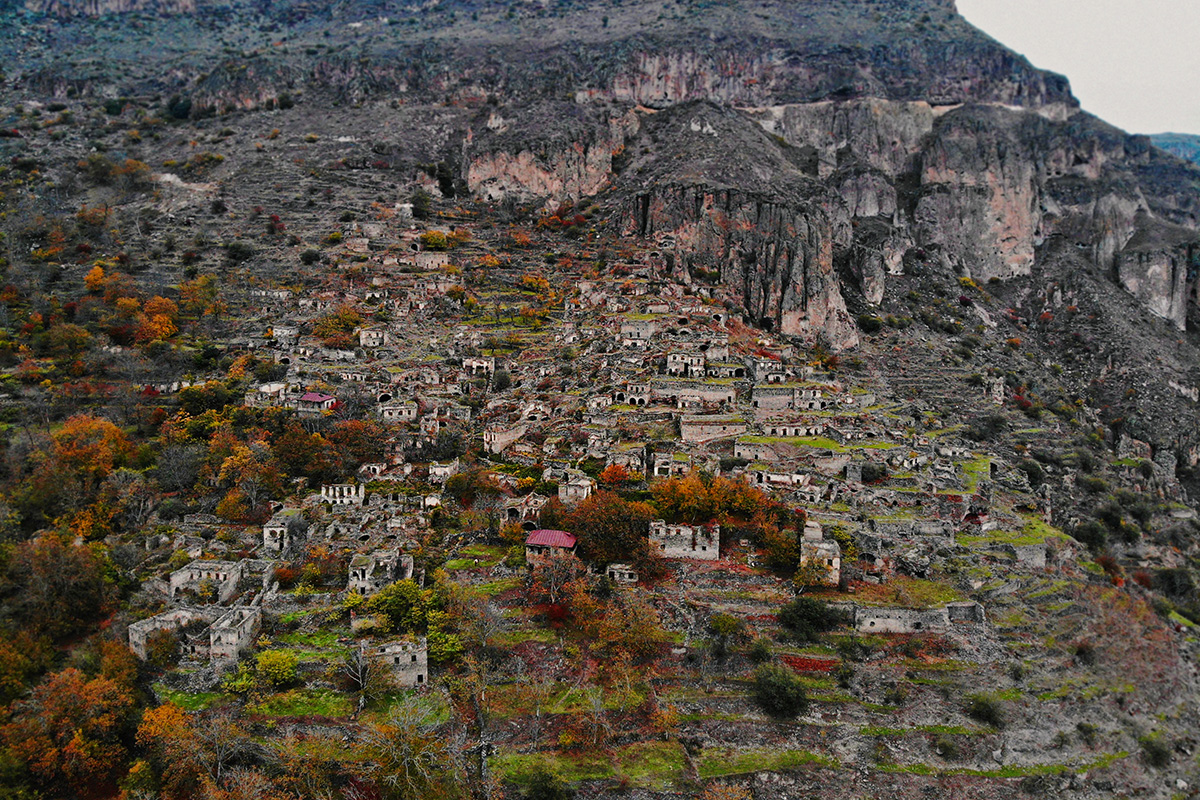
Old Khndzoresk is not just a village, but a whole cave city stretched along the walls of a deep gorge. For centuries people lived inside these man‑made caves, carving out rooms, barns and storage spaces in the rock and building facades in front of them.

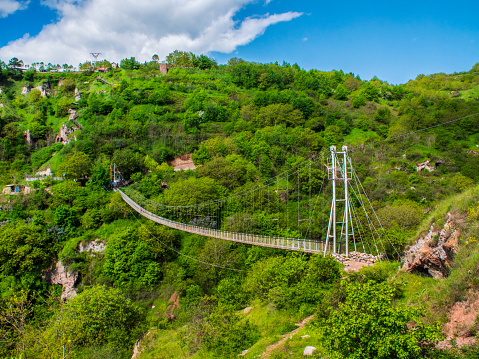
Today the modern village sits above, while the old settlement is reached by a long stairway and a 160‑meter suspension bridge that connects the two sides of the canyon. Standing in the middle of the bridge, you see the caves scattered across the cliffs and feel just how dramatic the landscape really is.

Some of the caves are easy to enter and still show traces of everyday life: soot‑blackened ceilings, niches carved into the walls, half‑collapsed rooms where families once cooked, slept and kept animals. Others are high up, accessible only to climbers, which makes the entire hillside look like a giant natural apartment block.

Khndzoresk is perfect if you like places that are a bit wild and a bit raw. The path down into the gorge, the gentle sway of the bridge and the silence inside the caves all combine into an experience that feels far away from paved city life—and very easy to remember long after you leave.

Stone circle of Karahunj (Zorats Karer) on a high plateau in Syunik, Armenia Standing stone at Karahunj with a circular hole drilled near the top Silhouette of Karahunj stones against a dramatic sky

Karahunj (Zorats Karer)

📍 Sisian, Syunik Province 🗺️ Open in Maps

Armenia’s Stonehenge on a windswept plateau in Syunik

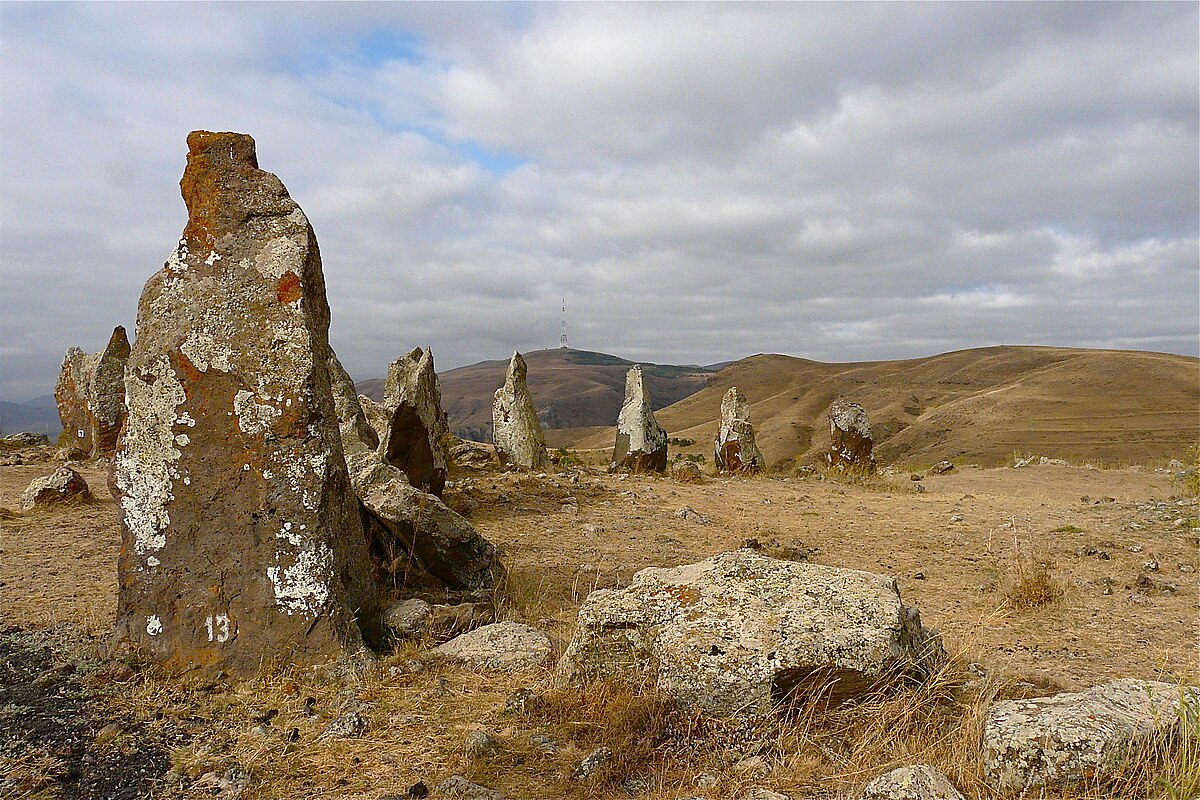
Karahunj, also known as Zorats Karer, is one of those places where you arrive, look around and immediately feel that something ancient and important happened here. Hundreds of standing stones are scattered across a high plateau, many of them with perfectly round holes drilled near the top.

No one can say with absolute certainty what Karahunj was, but theories range from prehistoric observatory and ritual site to a vast cemetery or a combination of all three. What matters on the ground is the feeling: this was clearly more than just a random pile of rocks.

As you walk between the stones, you notice lines, inner circles, “arms” extending from the main group and solitary stones that seem to point in very deliberate directions. At sunrise and sunset the light slices through the gaps and holes, casting long shadows and turning the whole site into a natural light installation.

Visiting Karahunj is not about museums or signboards—it is about open sky, wind and stones. There are no big facilities here, just the plateau and the view, which makes it easy to imagine how people thousands of years ago stood in the same place, looking at the same horizon and reading the sky in a language we no longer fully understand.

Amberd Fortress on the slopes of Mount Aragats, often surrounded by clouds Walls of Amberd Fortress with the small church of Surb Astvatsatsin inside Panoramic view of Amberd Fortress perched above a deep gorge

Amberd Fortress

📍 Mount Aragats, Aragatsotn Province 🗺️ Open in Maps

A medieval “fortress in the clouds” on Mount Aragats

The name Amberd says it all: in Armenian it literally means “fortress in the clouds”. The stronghold sits at about 2,300 meters above sea level on the slopes of Mount Aragats, right where two deep gorges meet. For centuries this was a lookout point and a shield guarding mountain passes and trade routes.

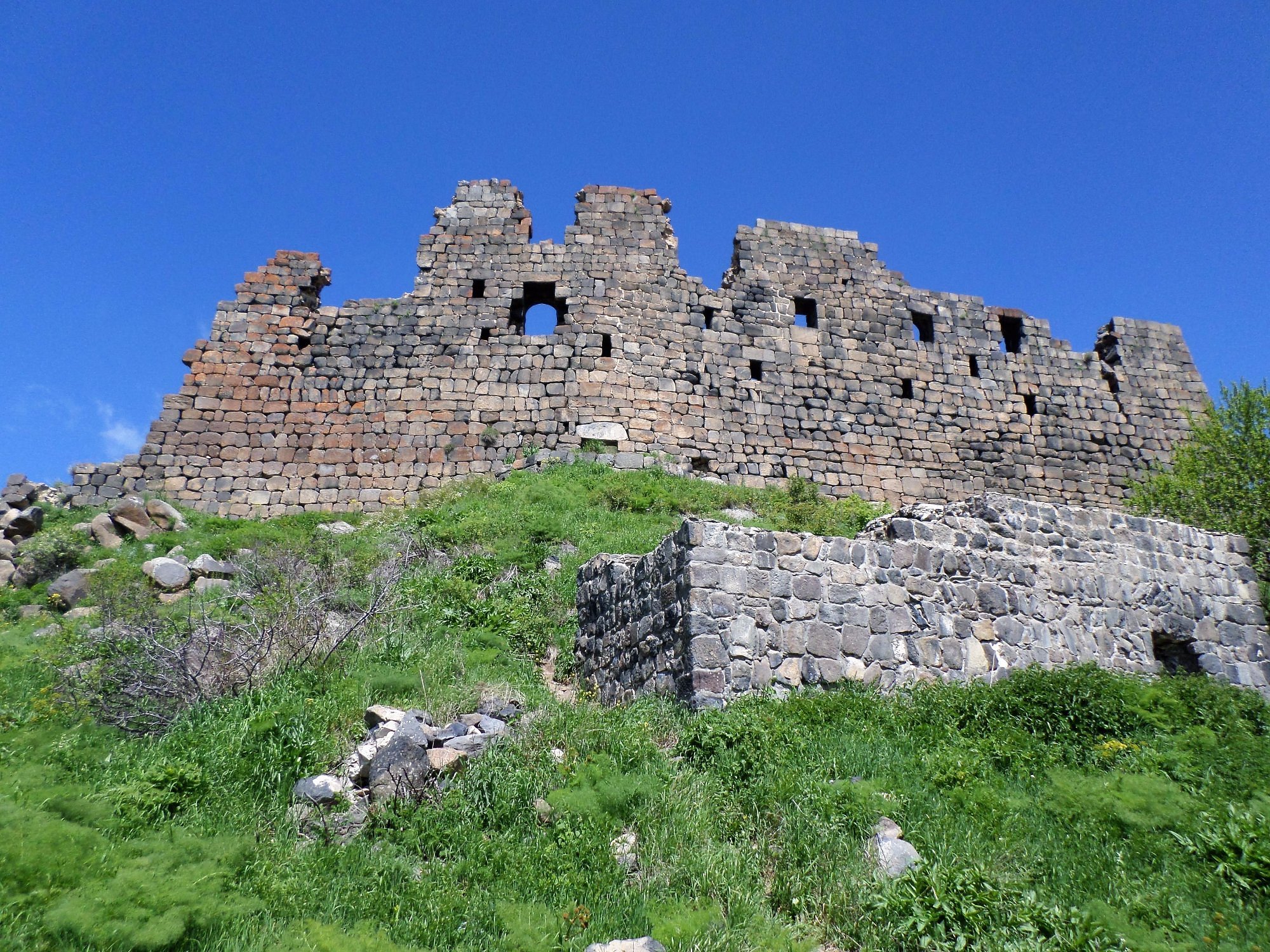
Most of what you see today dates back to the 10th–13th centuries, when Armenian noble families controlled the area and turned Amberd into a serious military base. It later fell to invading armies and was abandoned, but its thick walls and towers still hold the outline of a fortress that was once very hard to conquer.

Inside the complex you find the remains of defensive walls, towers and a small but very photogenic church dedicated to the Holy Mother of God. Walking along the edges of the fortress, you look straight down into the gorge and out towards the peaks of Aragats—it is easy to see why this place was chosen as a stronghold.

Local stories add an extra layer of drama: some versions tell of a woman who refused to surrender to the attacking army and chose to leave the safety of the fortress, disappearing into the depths of the gorge instead. Whether or not the legend is true, it fits the mood of Amberd on a cloudy evening, when mist rises from the valley and the silence feels almost theatrical.

Amberd is an ideal stop if you are already heading towards Aragats or Lake Kari. It combines mountain scenery, medieval architecture and a tangible sense of history in one compact site—and gives you that rare feeling of standing in a place that has literally watched over the land from above for many centuries.

Shaki Waterfall, an 18-metre-high curtain of water in Syunik, Armenia Close view of Shaki Waterfall crashing onto rocks and spraying mist Forest path leading to Shaki Waterfall through rocks and trees

Shaki Waterfall

📍 Shaki, Syunik Province 🗺️ Open in Maps

An 18‑metre waterfall hidden in a green gorge in Syunik

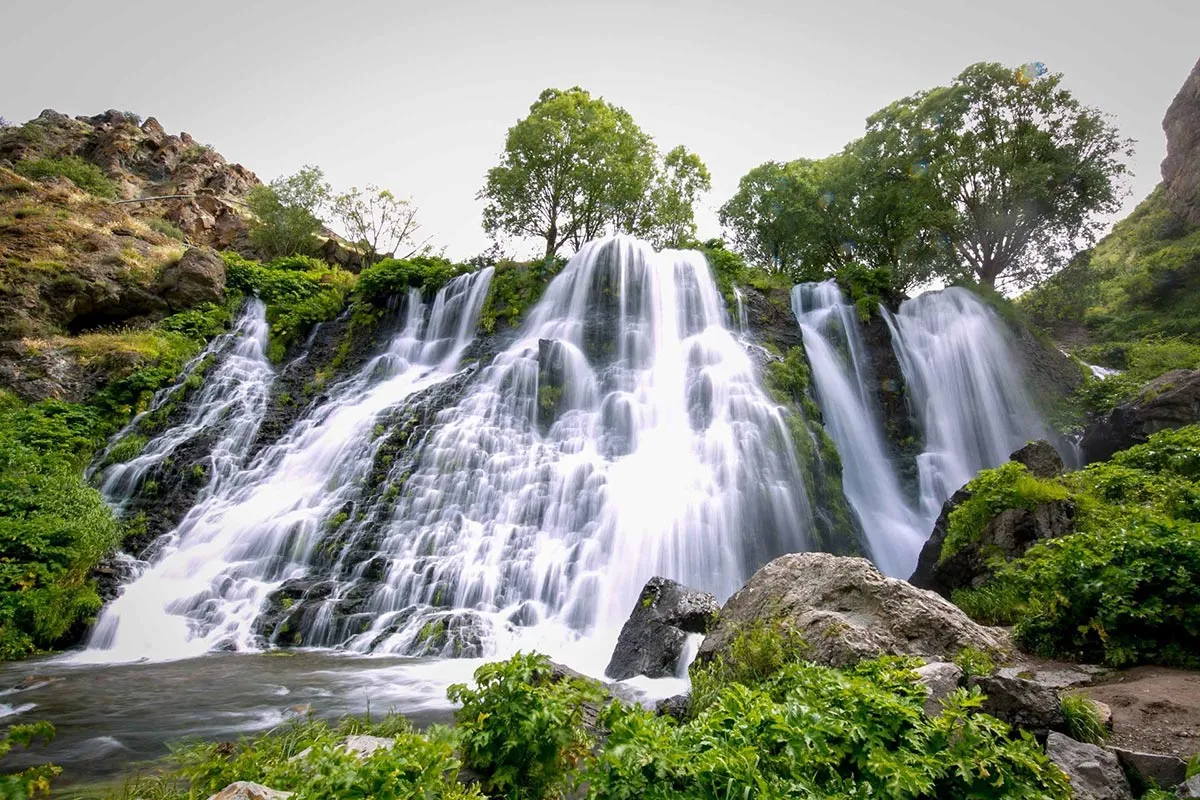
Shaki Waterfall is one of Armenia’s most beautiful and accessible waterfalls. The water drops about 18 metres from a basalt ledge, breaking into dozens of thin streams that together form a powerful white curtain. After a short walk from the parking area, you suddenly hear the roar of water before you even see the falls.

A local legend says the waterfall is named after a beautiful girl called Shaki. When a foreign conqueror tried to take her by force, she climbed to the top of the cliff and jumped rather than surrender. As she fell, her long dress opened and turned into a flowing cascade, and ever since the place has been called Shaki Waterfall.

Geologically, the falls were created where the Shaki River flows over an old basalt lava flow on the side of the Vorotan gorge. The lava hardened into an 18‑metre step, and the water has been pouring over it ever since, filling the air with mist and cool spray. On a hot summer day, standing near the falls feels like stepping into natural air conditioning.

The trail to the waterfall is short and not difficult, which makes Shaki a perfect stop on the way to or from Tatev. You can walk right up to the rocks beside the water, get a little wet, take dramatic photos and then sit for a few minutes just watching the constant movement of the falls—it is the kind of simple, vivid experience that stays in your memory long after the trip.

Old Khot abandoned stone village clinging to the cliffs of Vorotan Gorge Detail of Old Khot’s terraced stone houses built into the hillside Trail leading through the ruins of Old Khot with views over the gorge

Old Khot (Hin Khot)

📍 Khot, Syunik Province 🗺️ Open in Maps

Armenia’s “Machu Picchu” carved into the cliffs of Syunik

Old Khot is one of those places that make you stop and double‑check what you are seeing. The ruins of an entire village are draped across a steep hillside, with stone houses stacked one above another so that one family’s roof was the neighbor’s courtyard. Below, the Vorotan Gorge drops away into a deep, green canyon.

People have lived here for many centuries. Ancient graves around the site show that the area was inhabited long ago, and later records mention Khot as a tax‑paying village under the powerful Tatev Monastery. The name itself is linked to the greenery of the area—fields and gardens that once surrounded the old village near the river.

In the 20th century, life here became increasingly difficult: the road was rough, winters were harsh, electricity arrived late, and access to the rest of the region was complicated. Eventually, the villagers moved to a new, flatter site above, leaving Old Khot as a stone ghost village. Today, walking between the ruins feels like stepping into a frozen scene from a movie.

Reaching Old Khot takes some effort, but the reward is a powerful mix of landscape and history. Narrow paths wind between collapsed walls, doorways open onto nothing but air, and every turn reveals another angle of the gorge and the village clinging to its cliffs. If you love hidden, slightly wild places with real stories etched into the stones, Old Khot is a must‑visit.

Deep Vorotan Gorge with the river winding between steep green cliffs Devil's Bridge, a natural stone arch with the road running on top in Vorotan Gorge Thermal mineral pools and colorful rock formations under Devil's Bridge

Vorotan Gorge & Devil's Bridge

📍 Near Tatev, Syunik Province 🗺️ Open in Maps

A dramatic canyon, a natural stone bridge and hidden hot springs

Vorotan Gorge is one of the most dramatic landscapes in Syunik: the river cuts deep into the plateau, creating steep cliffs and dizzying drops, while roads and the Wings of Tatev cableway trace the rim above. From the viewpoints you see the gorge open up in front of you and understand just how deep it really is.

At the bottom of the canyon, directly beneath Tatev, lies Devil's Bridge, a natural rock arch carved by the river over thousands of years. Today an asphalt road runs across the top, while below the water squeezes through a narrow passage between walls of stone. Early visitors who saw such a huge “bridge” with no human builder decided it must be the work of the devil—hence the name.

Hidden beneath the bridge are warm mineral springs and a series of small natural pools. The mineral‑rich water has stained the rocks in shades of green, yellow and orange, and steam rises on cool days. Adventurous visitors climb down to soak in the pools, listening to the muffled sound of cars overhead and the constant rush of the river beside them.

Vorotan Gorge and Devil's Bridge fit perfectly into the same day as Tatev and the cableway. It is a place where you can combine sweeping canyon views from above with close‑up encounters with water, rock and hot springs below—an ideal stop if you want to feel the wilder side of southern Armenia.

Dsegh village on a high plateau in Lori, with mountains and Debed Canyon in the background Forest trail near Dsegh with grassy slopes and trees View of Debed Canyon from the Dsegh side, with deep cliffs and forested slopes

Dsegh · Land of Tumanyan

📍 Dsegh, Lori Province 🗺️ Open in Maps

The Lori highlands, forests and canyons that shaped Armenia’s great storyteller

Dsegh is the kind of village where the landscape already feels like a story. A high plateau drops off into a deep canyon, fields turn into forests, and distant peaks fade into mist. It is easy to see why Hovhannes Tumanyan, Armenia’s beloved writer and poet, was born right here.

In the center of the village, Tumanyan’s house‑museum preserves the atmosphere of his childhood home: a wooden balcony, simple rooms and objects that make the worlds of “Anush”, “The Dog and the Cat” or “Gikor” feel much closer. Step outside, and within a few minutes you are already on paths leading into the fields and forests that inspired him.

Around Dsegh there are several marked trails and viewpoints: loop hikes that wind through meadows and woodland, past springs and small stone bridges, and eventually bring you to the edge of Debed Canyon. From there you look down at the river far below and across to layers of green hills—especially beautiful in autumn when the colors explode, and in summer when the forest offers cool shade.

If you want to experience the quieter, more lyrical side of Armenia, Dsegh is a perfect place to slow down. You do not need attractions or rides here: just walk the village streets, sit on a bench near the canyon, listen to the wind in the trees and understand why so many of Tumanyan’s lines feel like they were written with this landscape in mind.

Lake Arpi, a quiet high-altitude lake on the Shirak plateau in northern Armenia Shore of Lake Arpi with fields, grassy hills and a rural road Birds and wild nature in Lake Arpi National Park

Lake Arpi

📍 Tsaghkut, Shirak Province 🗺️ Open in Maps

A calm, windswept lake on the Shirak plateau

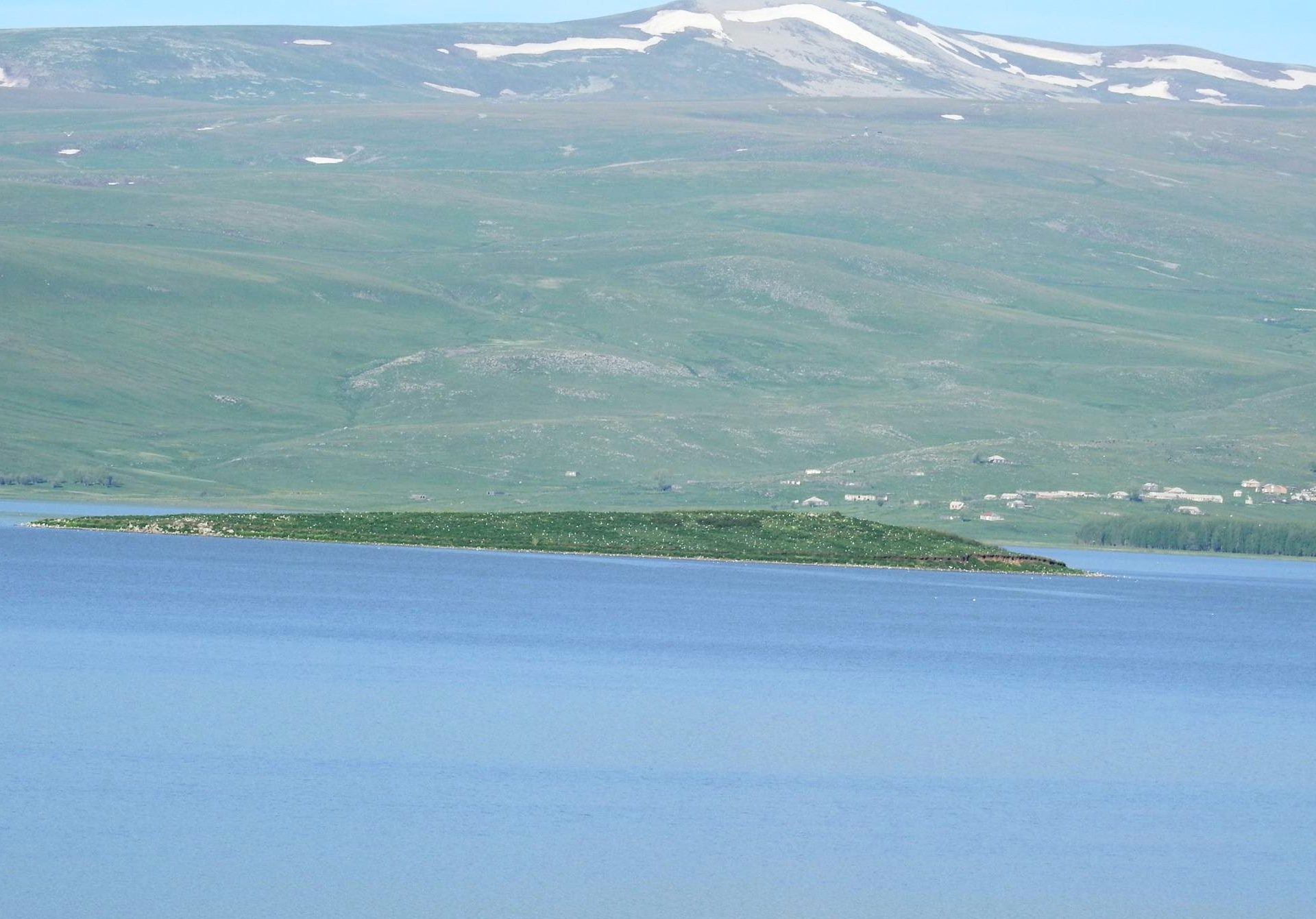
Lake Arpi is one of Armenia’s quiet northern lakes, spread across the open Shirak plateau near the border with Georgia. There are no big resorts or party beaches here—just water, wide skies, small villages and the feeling that you are very far from city noise.

The lake and its surroundings form a national park and an important habitat for birds. In spring and summer you can see many species nesting and feeding around the wetlands, while in autumn it becomes a stopover for migrating flocks. For anyone interested in birdwatching—or simply in watching the sky— Lake Arpi is a rewarding place to be.

The lake is partly a man‑made reservoir, fed by rivers and mountain springs, and has long been used for irrigation and agriculture. For visitors, though, the main attraction is the sense of open space: the horizon stretches in all directions, the waves move quietly in the wind, and the landscape feels both simple and very large.

A visit to Lake Arpi is more about escape than activity. You walk along the shore, sit in the grass, listen to the wind and birds and watch the light change on the water. If you want to see a different, less‑visited side of Armenia—honest, understated and peaceful—this is an excellent place to add to your route.

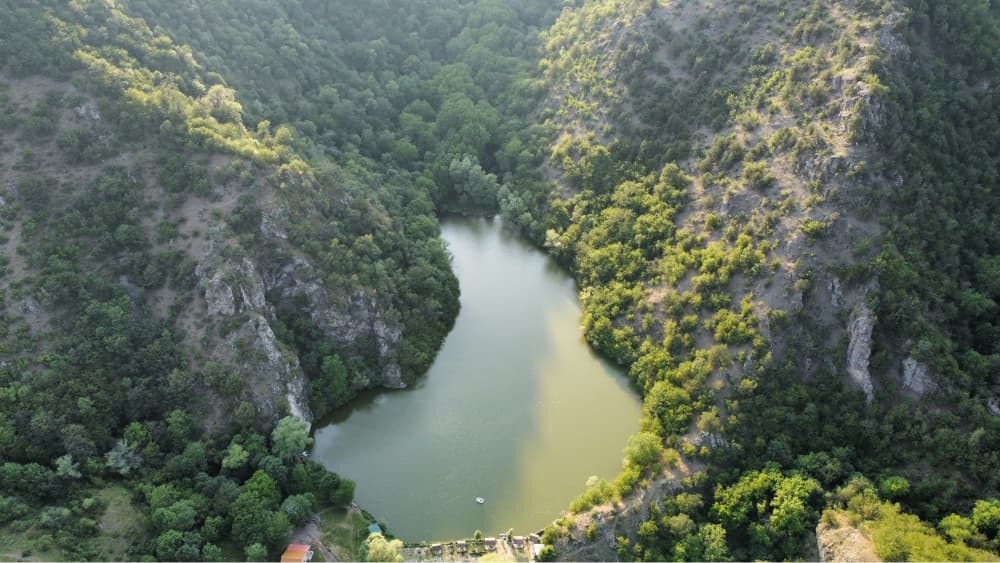
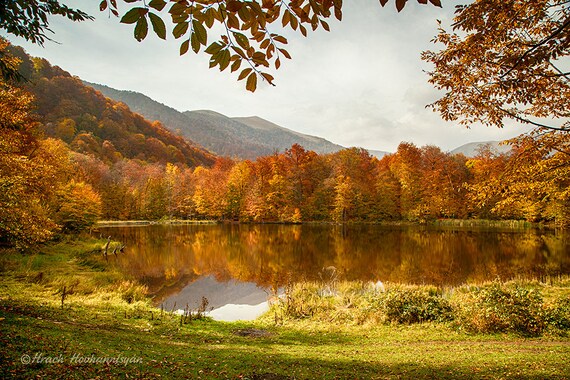
Gosh Lake, a forest lake hidden deep in Dilijan National Park Mirror-like surface of Gosh Lake reflecting trees and sky Forest trail near Gosh Lake under a canopy of trees

Gosh Lake

📍 Gosh, Tavush Province 🗺️ Open in Maps

A quiet, photogenic lake hidden in the forests of Dilijan

Gosh Lake is all about silence and reflection—literally. A small mountain lake tucked deep inside Dilijan National Park, it sits in a natural bowl of forest where the water often turns into a perfect mirror for trees and clouds. There are no big cafés or loud crowds here, just hikers, campers and people who deliberately chose the quieter path.

To reach the lake you follow a forest trail: soft earth, roots, rocks, small streams and patches of moss. Compared to Parz Lake, which is very easy to access, Gosh Lake feels more like a little adventure—you have to walk and earn it, and that effort is exactly what keeps the atmosphere peaceful when you arrive.

In autumn the hillsides around the lake explode in shades of yellow, orange and red, all of which end up doubled in the water. In spring everything is bright green, and in summer the lake becomes a perfect rest stop on longer hikes: a place to sit down, eat something, dip your feet in the water and let your heartbeat slow down.

If you have already visited Parz Lake and want to experience Dilijan’s wilder side, Gosh Lake is the next logical step. It is the kind of spot where you can easily lose track of time—especially if you sit quietly on the shore and watch the forest slowly paint and repaint itself on the surface of the water.

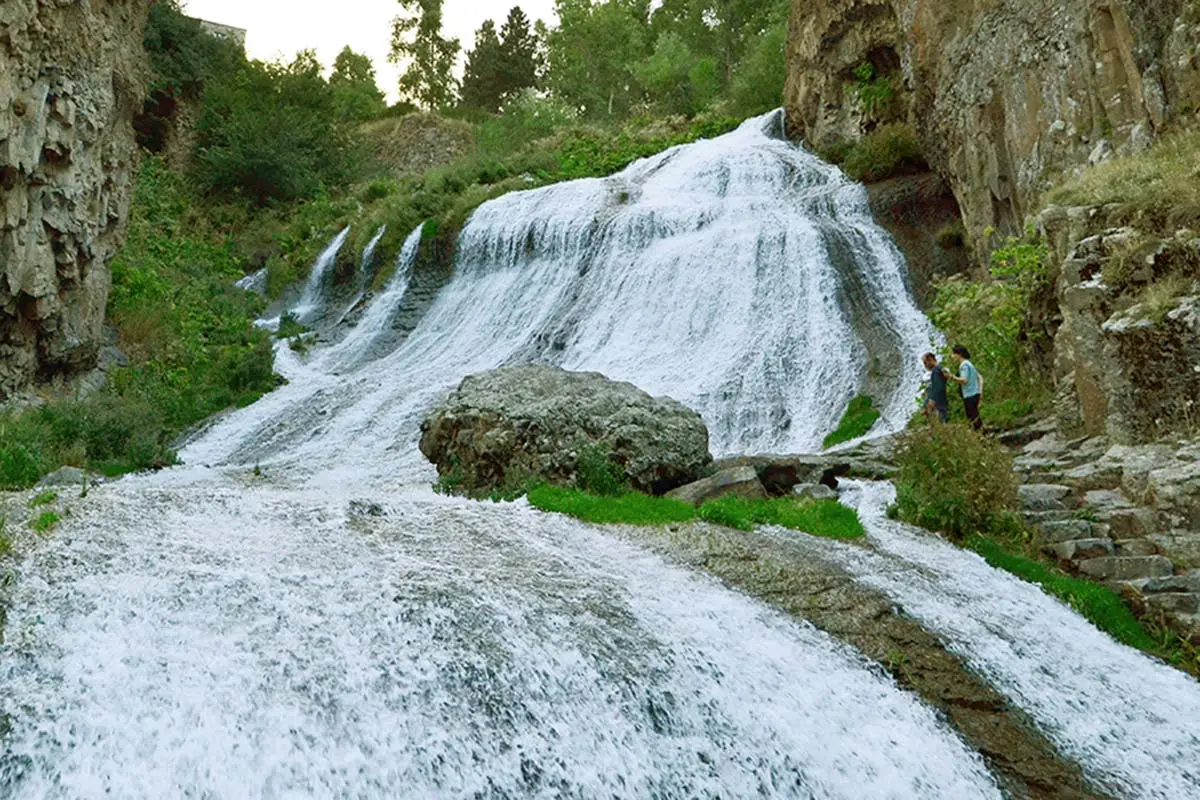
Jermuk Waterfall, a tall cascade of thin streams flowing down a rocky cliff Close view of Jermuk Waterfall, where the water looks like long strands of hair Jermuk Waterfall and the surrounding gorge with cliffs and the river below

Jermuk Waterfall

📍 Jermuk 3701, Vayots Dzor Province 🗺️ Open in Maps

The “Mermaid’s Hair” waterfall in Armenia’s famous spa town

Jermuk Waterfall is one of Armenia’s most distinctive waterfalls. The water drops around 70 meters from a rocky ledge and splits into dozens of thin streams that slide down the cliff like strands of hair. It is this look that inspired its local nickname: the “Mermaid’s Hair” waterfall.

According to legend, a water maiden once lived here and fell in love with a mortal. When she was forbidden to see him, she chose to disappear into the rock, and only her long hair remained, flowing forever as the waterfall. Standing close to the cascade, watching the fine streams glide over the stone, it is easy to understand how such a story was born.

The waterfall lies in a narrow gorge just below the spa town of Jermuk. Above are sanatoriums, hot springs and parks; below, the landscape suddenly becomes wild, with steep cliffs and the Arpa River rushing through the canyon. From the bridge and viewpoints you get impressive angles of both the falls and the gorge.

A visit to Jermuk works best as a mix of wellness and nature: spend time in the spa, taste the mineral waters at the gallery, and then walk down to the waterfall to feel cool mist on your face. It is one of those places where photos are nice, but being there—listening to the water and feeling the scale of the cliff—leaves a much stronger impression.

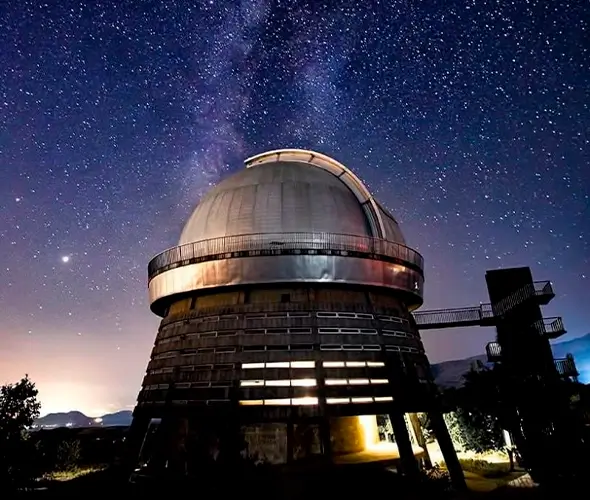
Main dome of the Byurakan Astrophysical Observatory on the slopes of Mount Aragats Byurakan Observatory dome under a starry night sky Byurakan Astrophysical Observatory complex with several domes and green lawns

Byurakan Astrophysical Observatory

📍 Byurakan 0213, Aragatsotn Province 🗺️ Open in Maps

Armenia’s window into deep space on the slopes of Aragats

The Byurakan Observatory is where Armenia’s mountains meet the stars. Perched on the slopes of Mount Aragats near the village of Byurakan, the observatory looks like a small scientific town: telescope domes scattered among trees and low buildings, all designed to study the night sky.

Founded in the mid‑20th century and led for many years by the famous astronomer Viktor Ambartsumian, Byurakan played a major role in Soviet and international astronomy. Important stellar and galactic catalogs were compiled here, and the observatory hosted scientists from all over the world. Today it still operates as a research center and also opens its doors to visitors.

During the day you can walk around the grounds, see different domes up close and hear stories about the discoveries made here. On guided visits, it is sometimes possible to step inside and see some of the telescopes, getting a sense of what it is like to work nights in this quiet, high‑altitude setting with the sky as your main companion.

At night the observatory becomes truly magical: city lights are far away, the air is clear, and the Milky Way often stretches visibly across the sky. If you are interested in space, science or just stargazing under a really dark sky, Byurakan is one of the most memorable places you can visit in Armenia.

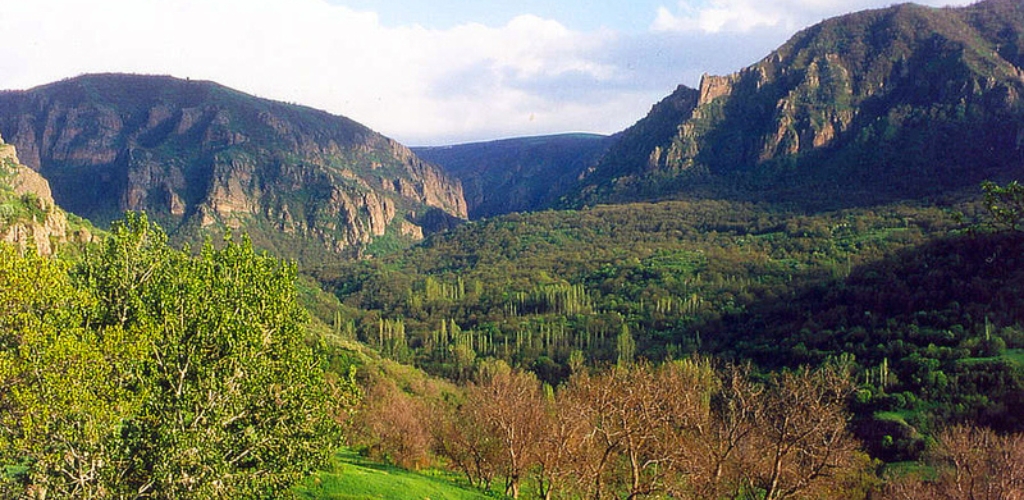
Forest slopes and vegetation in Khosrov Forest State Reserve Rocky gorge and trail inside Khosrov Forest State Reserve Waterfall hidden among rocks and green slopes in Khosrov Reserve

Khosrov Forest State Reserve

📍 Ararat Province 🗺️ Open in Maps

Protected semi-desert, forest and waterfalls on the edge of Ararat valley

Khosrov Forest State Reserve is one of Armenia’s oldest protected areas, where semi-desert hills, rocky gorges, forested slopes and small waterfalls all meet within the same landscape.

The reserve is not a regular open national park, but there are specific public trails and guided routes that visitors can join, including hikes toward Astghik and Vahagn waterfalls and routes that link the Garni area with the outer parts of the reserve.

Because this is a strictly protected zone, you are expected to stay on marked paths, follow your guide’s instructions and avoid fires, littering or disturbing wildlife. In return, you get a few hours of very raw nature: cliffs, canyons, rare plants and wide views over the Ararat region.

If you have already seen Garni and want to push a bit deeper into Armenia’s wild side without committing to a multi-day trek, the accessible trails of Khosrov Reserve are an ideal next step: fewer cars, more rock and silence, and a strong sense of being far from any city.

Zvartnots Cathedral

📍 Vagharshapat, Armavir Province 🗺️ Open in Maps

A circular cathedral that now survives as a luminous ruin

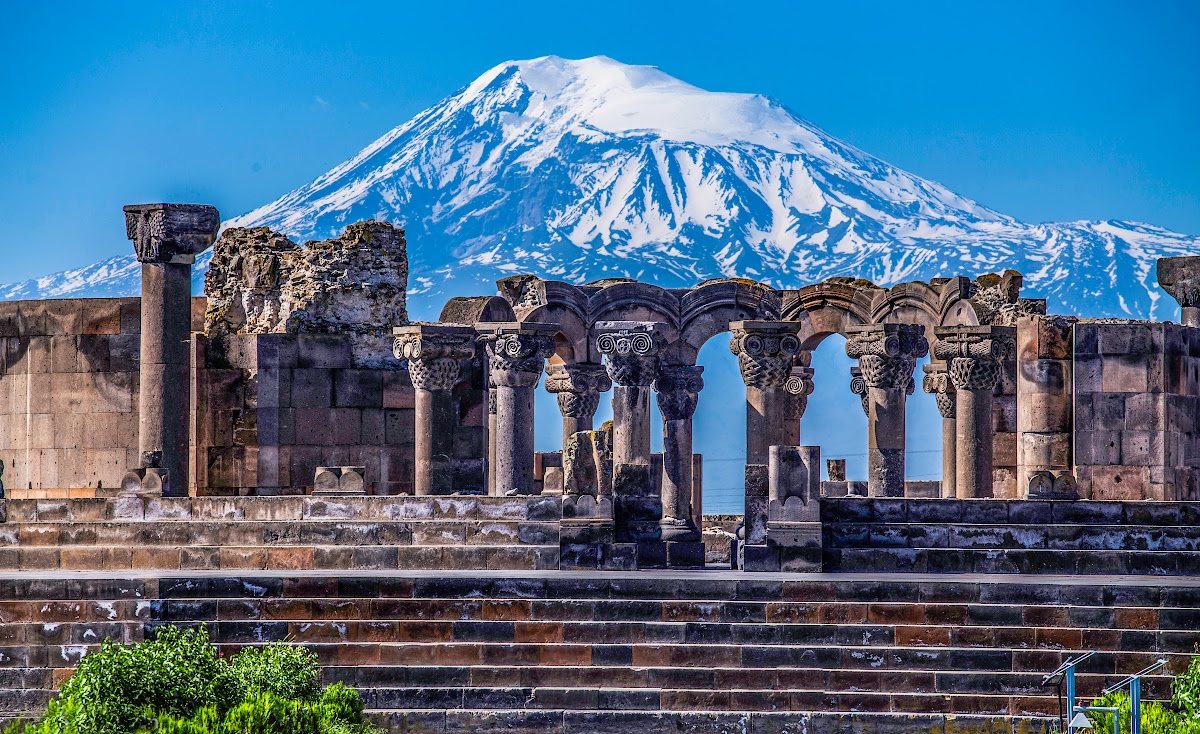
Zvartnots Cathedral stands in an open field near Vagharshapat, where a ring of broken columns and arches rises under the sky and, on clear days, Mount Ararat appears on the horizon. Even in ruins it feels surprisingly modern and experimental, as if it were a bold architectural project ahead of its time.

The project is associated with Catholicos Nerses, often called “the Builder”, who wanted a unique circular cathedral that could host important ceremonies and receive high-ranking guests. Zvartnots was conceived less as a village church and more as a symbolic centerpiece for the Etchmiadzin area.

Name and idea of light

The name “Zvartnots” is linked to the word “zvart”, meaning joyful or bright, and to the idea of “zvartats”, the heavenly hosts or angels, which gives the name a sense of “dwelling place of the angels”. With its circular plan, open colonnades and light filtering from above, the cathedral was designed as a space where architecture and light work together.

Many guides like to say that Zvartnots is more about light than walls, and even today, in its ruined state, that feeling is still very present.

Architecture and appearance

Zvartnots is known for its circular ground plan and several concentric rings of columns that once supported a high central structure. The reconstructed outlines of the foundations and the surviving carved blocks give visitors a good sense of the original volume.

Around the site you can see finely carved capitals, friezes and khachkars, which show how richly decorated the cathedral must have been.

Ruin, museum and UNESCO

Over time the cathedral collapsed and remained a ruin until archaeological excavations uncovered the foundations and many architectural fragments. Today Zvartnots is an open-air museum with a small indoor exhibition that displays finds, models and drawings of different reconstructions.

Together with the cathedral and churches of Etchmiadzin, Zvartnots is part of a single UNESCO World Heritage Site and is usually visited on the same day as the Mother Cathedral, Saint Hripsime and Saint Gayane.

Older view of the ruins of Zvartnots Cathedral with standing columns Zvartnots Cathedral ruins today, in an open field with views toward Mount Ararat Columns and arches of Zvartnots Cathedral under the open sky

Sights in Yerevan